A/B Testing, Causal Inference, Causal Time Series Analysis, Data Science, Difference-in-Differences, Directed Acyclic Graphs, Econometrics, Impact Evaluation, Instrumental Variables, Heterogeneous Treatment Effects, Potential Outcomes, Power Analysis, Sample Size Calculation, Python and R Programming, Randomized Experiments, Regression Discontinuity, Treatment Effects
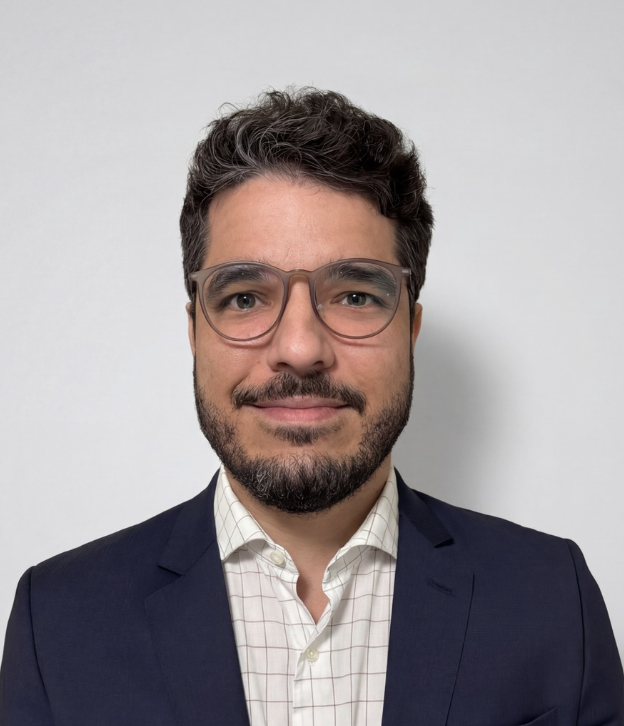
I wrote Everyday Causal Inference because I believe evidence-based decision-making should be accessible to everyone. In this book, I explain concepts the way I wish they had been explained to me: focused on the what, why, and how.
My path to this book wasn’t straight. From ages 8 to 17, I nearly failed school every single year. Somehow, my mind blocked me from engaging with classes and books that felt disconnected from my reality.
My beloved grandmother, Quiteria, used to get annoyed when I took apart toys to see how they worked inside. But looking back now, I like to think my problem was simply excessive curiosity: I needed to understand things because I was bad at memorizing them.
That struggle shaped how I teach. I avoid uncommon words and formalizations for their own sake. Learning should be functional; it should feel smart, not like torture.
Professionally, everything changed when I took Statistics 101 in college. Suddenly, math became a tool for answering questions that mattered. Then, during my Master’s, Mostly Harmless Econometrics hooked me on causal inference.
I went on to earn a Ph.D. in Economics because I wanted to be a professor. But after a few years working as one, I realized I wanted to solve problems faster than academia allowed, not just study them.
So I transitioned to industry, joining a fintech company to apply experimentation and causal inference in finance. Since then, I’ve helped marketing, product, operations, and UX teams across e-commerce and investment companies make better decisions.
My goal remains the same: generate evidence that anyone can trust and act on it. In June 2025, I started writing this book, motivated by all the misleading discussions I kept seeing online. This is the guide I wish I had: applied, accessible, and honest.
I hope this book changes how you feel about learning data science and causal inference, making charlatans easier to spot and good work easier to do.
For my professional details, including credentials, podcast appearances, and speaking engagements, you can find them on my website and LinkedIn.